Time
Coordinator hours spent being the system
Re-keying requests, phoning down lists, chasing clients, rebuilding invoices. Paid every month, visible on no report.


You will not find invented logos, testimonials, or savings percentages on this page. What you will find is exactly where One Bridge Tec changes the work — hiring, staffing, fairness, and the picture leaders see — and the specific measures we help you baseline in discovery, so the impact is counted in your service's own numbers.
Re-keying requests, phoning down lists, chasing clients, rebuilding invoices. Paid every month, visible on no report.
The strong applicant who took another offer in week nine never shows up in a metric. The vacancy she would have filled shows up as overtime.
Each one costs association time, management time, and a hearing. Most of them started with a member who could not see what happened.
Overtime that ran over budget in week two is discovered in week six. Coverage gaps are found by the sergeant who is short on Friday night.
Each outcome below comes with the measures we help you baseline before go-live and read back from the record afterwards. No estimates, no percentages from another agency: your numbers, before and after.
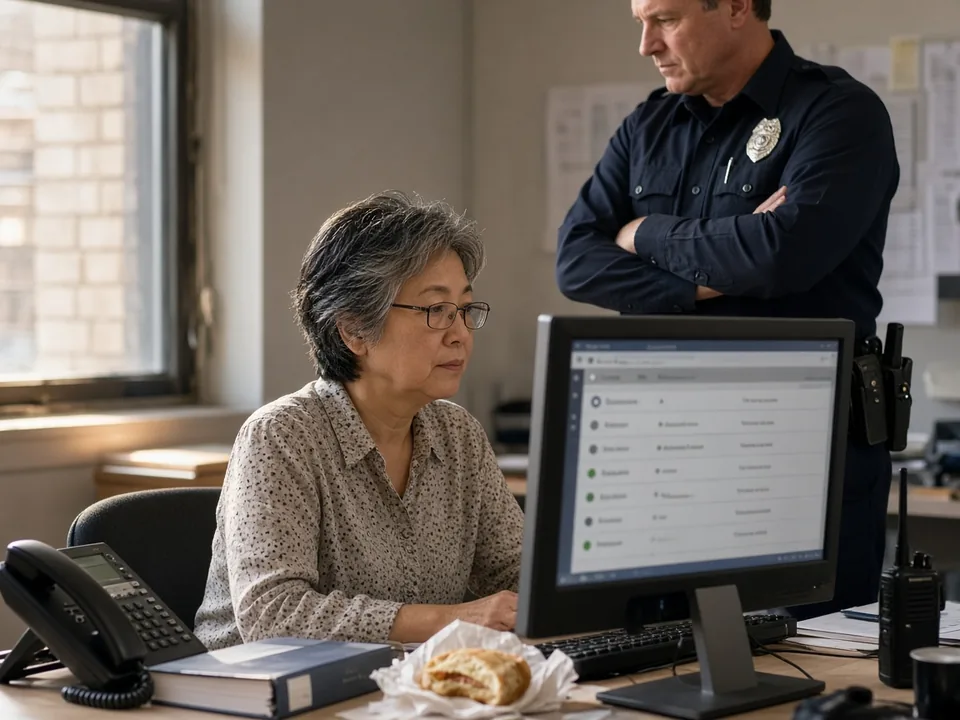
When the client request is the record, the offers go out by rule, and the invoice is drawn from what was worked, the hours a coordinator spends re-keying, phoning down a list, and rebuilding month end are the hours that come back. That is the first number most services can measure: minutes per request, before and after.
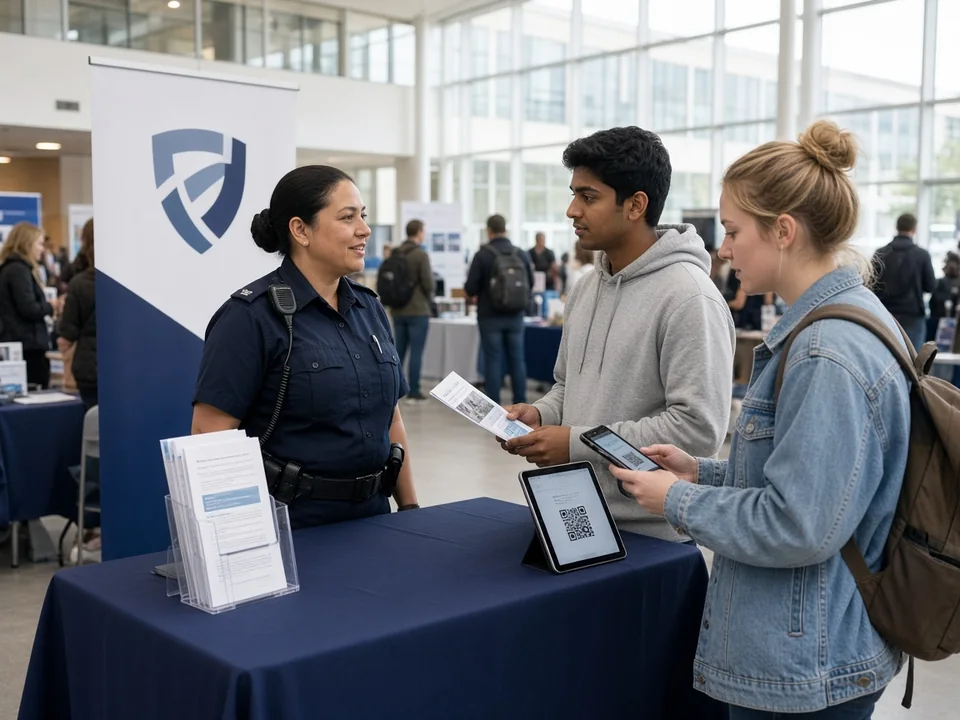
Every week between posting and offer is a week a strong candidate can take another job. Mobile applications, structured screening, on-site AI that ranks the pile the same way every time, and a candidate who always knows where they stand shorten that path, and the measure is simple: days from posting to offer, and how many candidates you lost along the way.
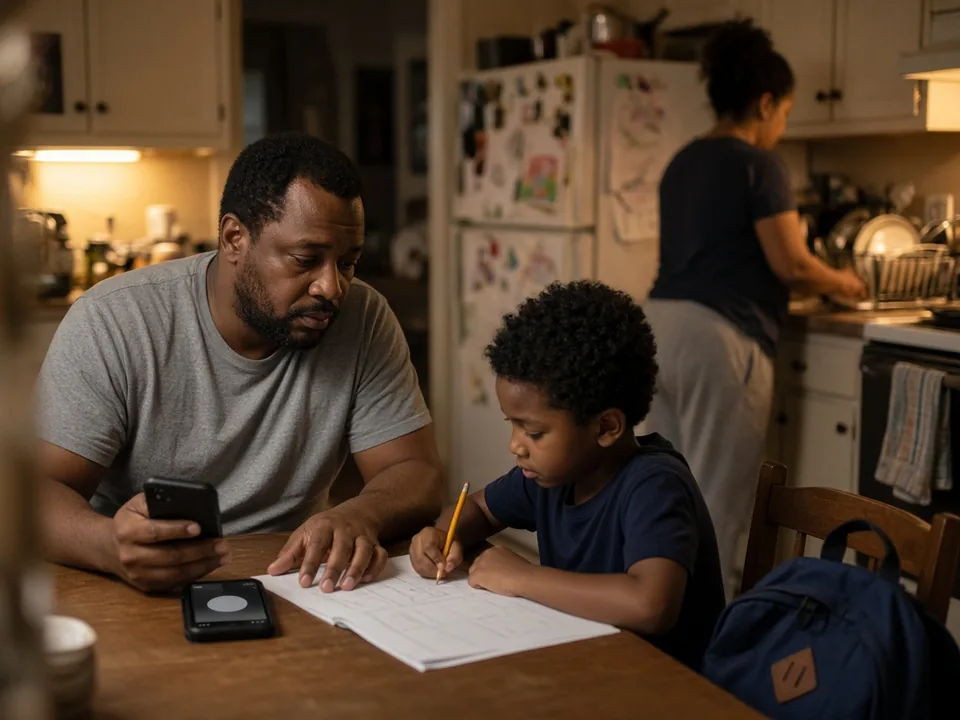
A grievance about offer order costs weeks of everyone's time, and most of them start with a member who could not see what happened. When offers follow the agreement and every member can see their own history, the argument moves from the hearing room to the screen, where it is usually settled in a minute.
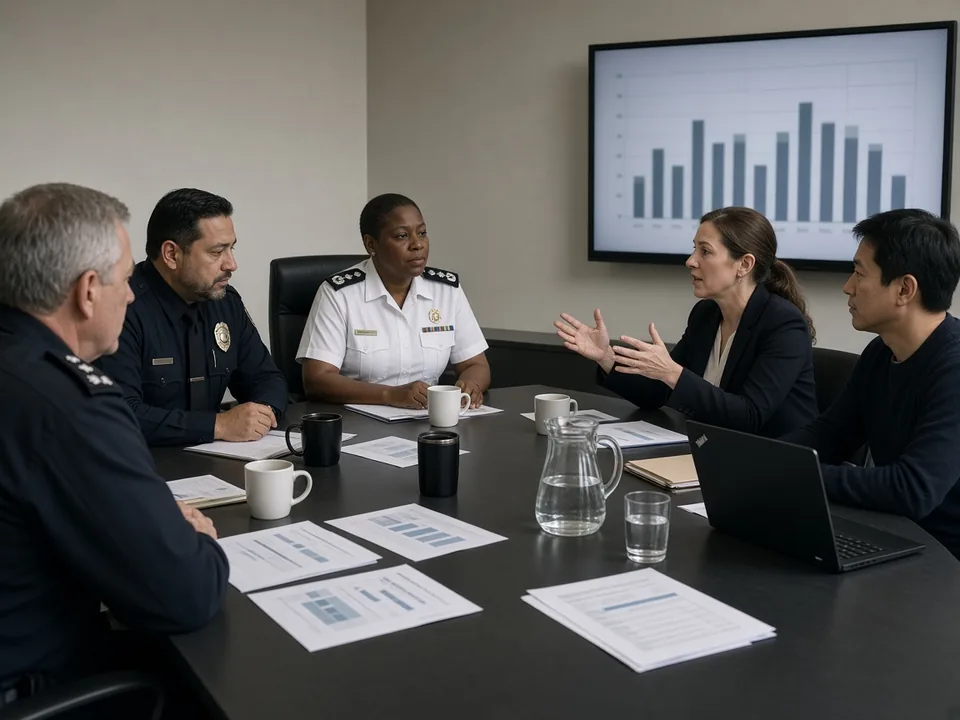
Overtime spend, coverage gaps, credential lapses, and time-to-hire are visible while they can still be acted on, from the same record the coordinators and HR are working in. The measure here is less about a number and more about a question: how often is the chief the last to know?
The Anonymous Community Platform lets someone reach help or report what they saw without becoming a record. Its impact is a young person who called because they knew it was anonymous, and a tip that arrived because the reporter trusted the channel. We do not claim numbers for that. We do build it so the service can see volumes and response times without ever seeing who.
Anonymous support and reporting are built so identity is never captured, so the public does not have to take the agency's word for it.
The service sees how many people reached out, when, and how fast they were answered. That is the whole picture the platform is designed to show.
Role-based access, an audit trail on staff actions, and on-site AI where it is used, because the community platform runs on the same foundation as HRIS and 10-8.
Private AI is where the biggest time savings live: screening a stack of résumés, drafting client correspondence, answering a policy question with the clause cited. It runs on hardware installed at the agency, so those savings do not come with a third-party AI service holding your data.
Résumés scored against your criteria, the same way every time, with the reasoning shown. A recruiter reviews the ranked list instead of reading the pile.
“Who is eligible and rested for Saturday?” answered with reasons, so the coordinator confirms instead of calculating.
Members, coordinators, and sergeants get the same answer to the same question, quoted from your agreement, which is how arguments about wording stop.
Time to fill a callback, days from posting to offer, coordinator hours per request, grievances about order, overtime against budget. In one session we baseline what you have, show you where each number comes from in One Bridge Tec, and agree what a fair before-and-after looks like for your service.
One session to baseline where you are and agree what a fair before-and-after looks like.