Mapping
Nobody wrote down how it actually works
The vendor configured the textbook process. The service runs on the version the coordinator carries in her head, with the exceptions the sergeants know. Go-live is where they meet.


Software fails in police services when nobody mapped the workflow, the rules were configured from a memo instead of the agreement, and the vendor disappeared after go-live. One Bridge Tec implementations start with discovery, configure your rules with your association in the room, import the data you already have, and stay through the first live cycles.
The vendor configured the textbook process. The service runs on the version the coordinator carries in her head, with the exceptions the sergeants know. Go-live is where they meet.
Seniority, rotation, and rest rules were set up from a summary, not the agreement. The first grievance found the difference.
Rosters in one system, credentials in a spreadsheet, clients in email. Staff spent the first month re-keying instead of using the product.
The people who understood the configuration moved to the next customer. The first payroll close was handled by someone reading the manual.
Every implementation follows the same five steps. What changes is the depth of each one, which we agree on in discovery, not after kickoff.
Map paid duty, callbacks, overtime, hiring, and onboarding as they really run, with the people who run them. Agree scope, timeline, and owners.
Roles, permissions, request types, rate cards, and fairness rules set from your agreement and policies. Association walkthrough where you want it.
Rosters, ranks, seniority, credentials, clients, and open requests mapped from your exports, test-loaded, reviewed, then loaded for real.
Coordinators and HR on your configuration and your requests. Members in a fifteen-minute briefing. Clients on the portal with their own requests.
Go live with the implementation team on the line through the first live cycles: the first paid-duty weekend, the first callback, the first payroll close.
The three parts of an implementation that decide whether a service is using the product in month two or still working around it.
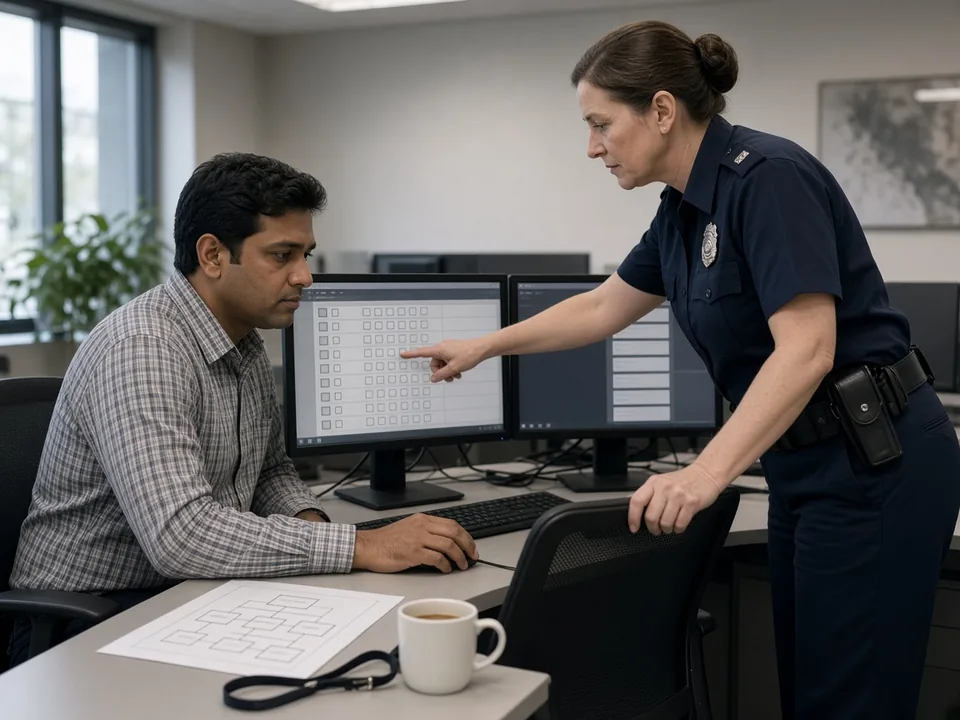
Discovery maps how paid duty, callbacks, overtime, hiring, and onboarding actually run at your service: who requests, who approves, who gets offered work in what order, and where the exceptions live. Then we configure roles, permissions, rate cards, and fairness rules from your collective agreement and policies, and walk the result through with your association before it touches a real shift.

Rosters, ranks, units, seniority dates, credentials, client lists, rate cards, and open requests usually live in a scheduling export, a few spreadsheets, and someone's memory. We map what you have into the record, confirm the mappings with your data owner, run a test import you can inspect, and only then load it for real. Nothing gets re-keyed by your staff.
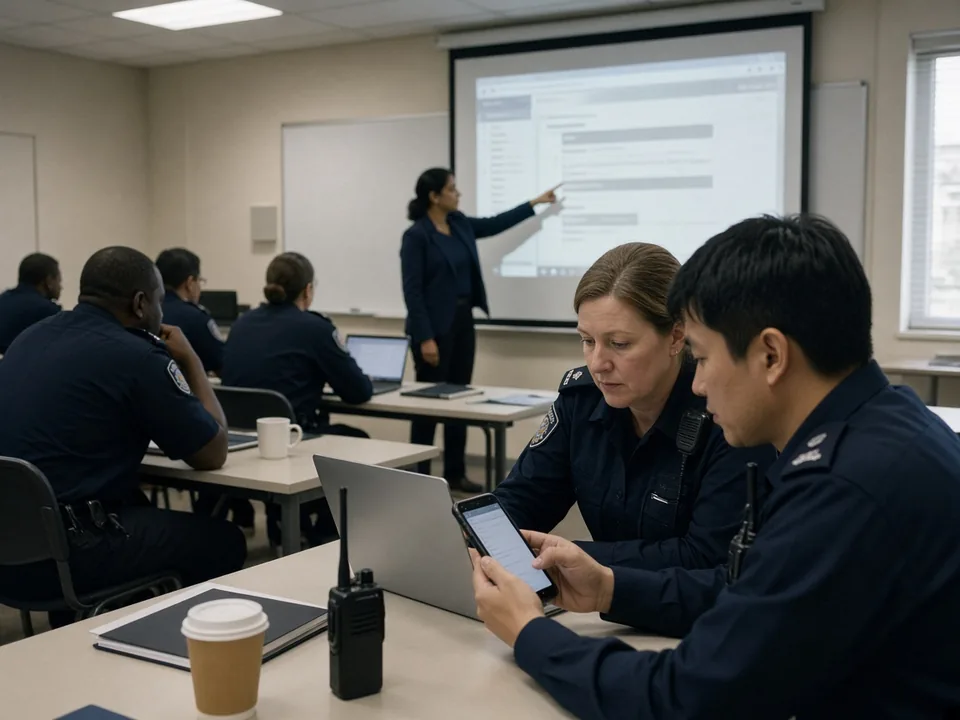
Administrators and coordinators are trained on your configuration with your real request types, not a generic demo. Members get the short version: here is the list, here is how you take work, here is your offer history. Then we run the first live cycles alongside you, so the first paid-duty weekend and the first payroll close have someone who knows the whole workflow on the line.
Because One Bridge Tec builds 1 Bridge Tec HRIS, One Bridge 10-8, and Private AI on one foundation, they are implemented by one team against one record. The roles you configure once apply everywhere. The credentials you import once drive eligibility everywhere. The people who supported your go-live are the people who answer the phone in month six.
Most services start with 10-8 for paid duty and overtime, or with HRIS recruiting. Adding the next product is configuration on the same record, not a second project.
If the service chooses Private AI, hardware sizing, installation in your building, and grounding the assistant in your policies and agreements are scoped in discovery and delivered by the same team.
Hosting in the jurisdiction you choose, identity and single sign-on, network access for on-site hardware, and any integrations are written down in discovery, so IT knows what is being asked and when.
Intake, staffing, billing, hiring, and records are one thing to us because they are one record. Support does not bounce your coordinator between product teams.
Bring a coordinator, someone from HR, someone from finance, and a sergeant who has worked a paid duty. In one working session we map how the work runs today, show you what it looks like in One Bridge Tec, and give you a written scope, timeline, and IT list you can take to procurement — whether or not you go ahead.
One discovery session with your coordinator, HR, finance, and a sergeant. Written scope either way.