Coverage
Gaps surface after the shift
Coverage, overtime, and exceptions are assembled from spreadsheets and email after the fact — when intervention is already hard.


A chief should not learn about a coverage gap from Monday's report, or about a fairness complaint from the association's letter. One Bridge Tec gives leaders a live picture of who is working, who is qualified, and what it is costing — from the same record the rest of the service already uses, with every decision logged.
Coverage, overtime, and exceptions are assembled from spreadsheets and email after the fact — when intervention is already hard.
Who was offered work, in what order, and why lives in inboxes and memory. The association's letter arrives first.
Spend is known when finance closes the books, not when the decision to staff was made.
Retirements, expiring credentials, and a slow hiring pipeline are three separate reports nobody reads together.
Are we covered? Can I defend how we got there? Where will we be short next? One Bridge Tec answers all three from the record the service already keeps.
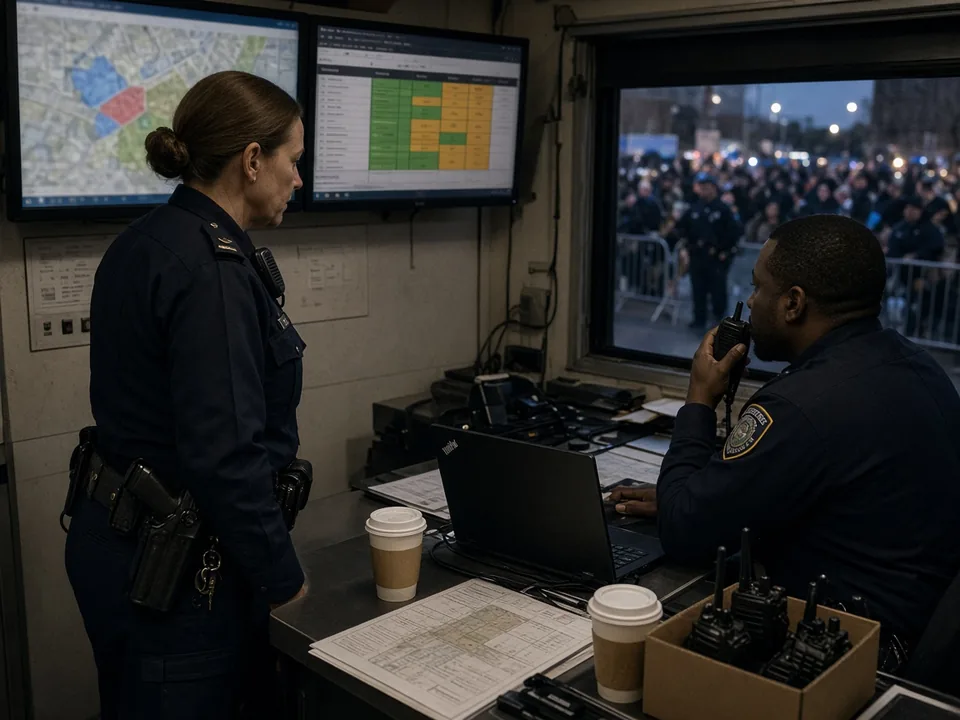
Which positions are filled, which are open, and who is confirmed for the parade, the game, or the long weekend — live, from the same record administrators are filling and members are accepting. When a gap opens, you see it while there is still time to close it.
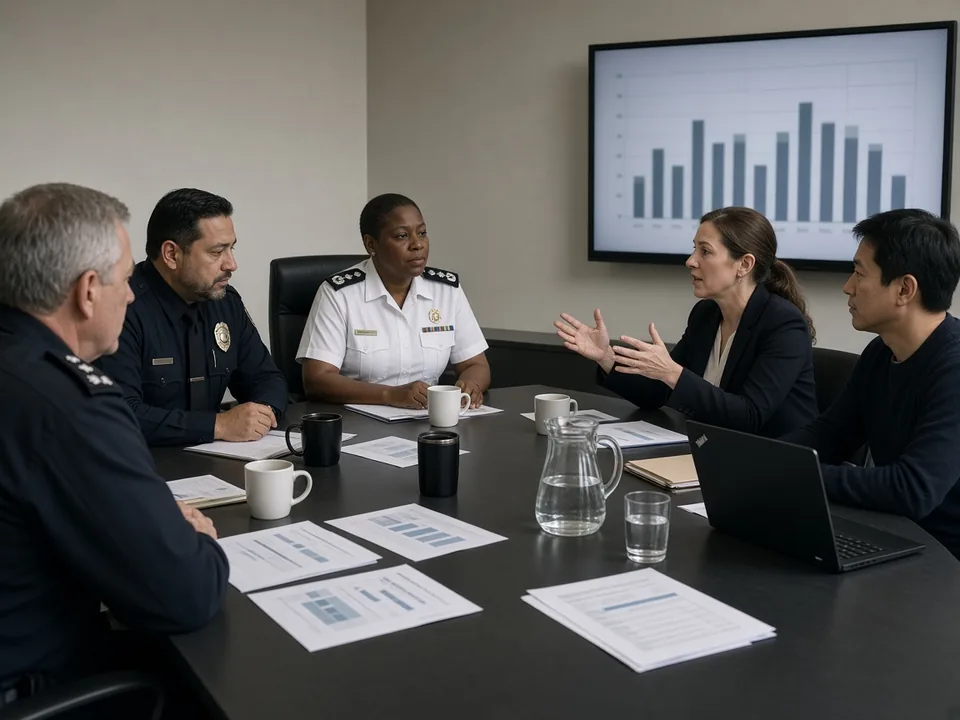
Overtime spend by unit before the quarter closes. Paid-duty revenue that matches what was actually worked. And when a grievance asks why one member was offered a shift and another was not, the sequence of offers and responses is already recorded — with who did it and when.
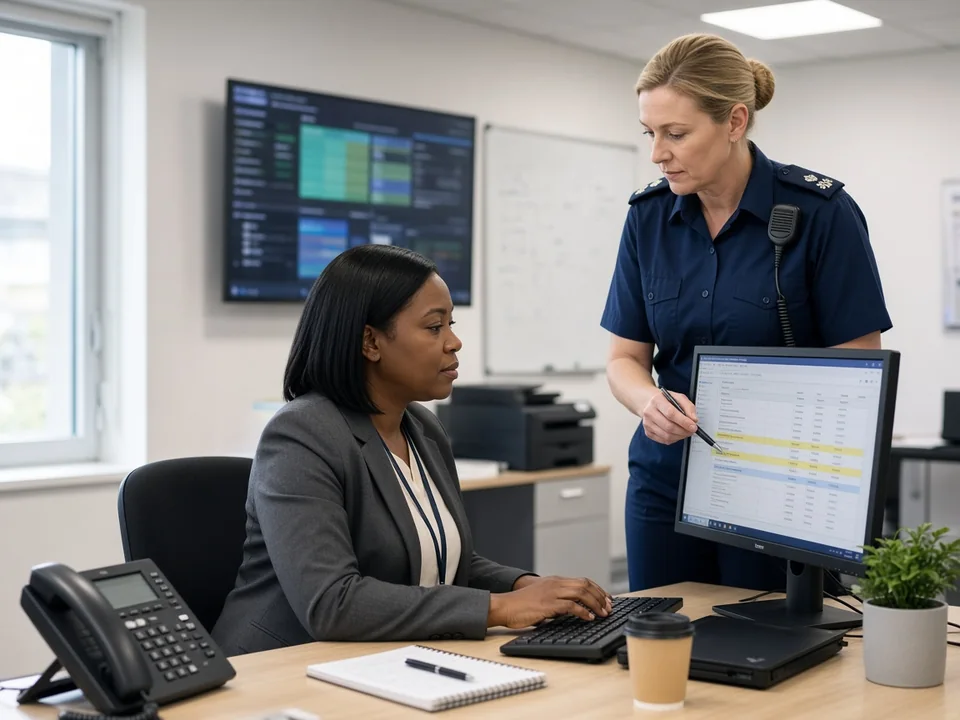
With 1 Bridge Tec HRIS on the same record, the hiring pipeline, expiring credentials, and upcoming retirements sit beside today's coverage. You see where the service will be short before it is short, and which recruiting sources actually produce members who stay.
When hiring, staffing, and readiness come from different companies, every question a leader asks starts with reconciling their data. One Bridge Tec builds all of it on one record.
Who is on strength, who is eligible, who worked, and what it cost are the same answer everywhere, because they come from the same place.
Offers, declines, assignments, credential checks, and approvals are recorded as they happen, with the person who made each decision.
Procurement, privacy assessment, and vendor management happen once, for every solution you adopt now or later.
Deployments are planned around public-sector requirements, and AI can run on hardware inside your building rather than a third-party service.
With Private AI, a leader asks a coverage, spend, or policy question and gets an answer grounded in the service's own records and documents — on hardware installed at the agency, with nothing sent to a third-party AI service.
Positions, confirmed members, and required credentials for the event, with the gaps named.
The figures and the underlying assignments behind them, so finance and command are reading the same numbers.
The relevant clause quoted with a citation, not a paraphrase — and the same answer for the sergeant who asks at 2 a.m.
Coverage for an upcoming event, overtime by unit, and the last staffing complaint you had to reconstruct. We will show how each is answered from one record — and what the sergeant, the administrator, and the member see on their side.
Thirty minutes with the team that builds 10-8 and HRIS, using your events, your units, and your questions.