One Bridge Tec solutions
One Bridge 10-8

Every shift filled. Every rule followed.

One Bridge 10-8 is the paid duty, callback, and overtime staffing system built by a public safety company. Clients request, members choose, supervisors deploy, and finance bills from one record — with the collective agreement enforced in the workflow, not remembered at the desk.

A staff sergeant checks shift opportunities on his phone while a constable at a ThinkPad looks up from a staffing roster in a modern police duty office.
3kinds of work — paid duty, callbacks, overtime — on one opportunity surface
1record from client request to member assignment to invoice
0phone trees, group texts, or spreadsheets to fill a shift
HRISsupplies the credentials and work rules that decide who is offered work
The complete experience

From first request to operational insight

10-8 is not a calendar with extra fields. It is one connected record across the five people who make staffing work.

01 — Clients

Request

Clients request, track, and manage service without restarting the story in email.

02 — Administrators

Approve and staff

Routine process runs itself. Attention goes to exceptions across paid duties, callbacks, and overtime.

03 — Members

Choose the work

Officers see opportunities they are eligible for, take the work, and arrive with the details they need.

04 — Supervisors

Deploy

See who is confirmed and where the gaps are while staying on the operation.

05 — Leaders

Know

Coverage, overtime spend, and fairness in one live picture — not a report assembled after the fact.

Three kinds of work

Paid duty, callbacks, and overtime are different problems. 10-8 handles all three.

Each has its own clients, urgency, and rules. Most services run them from three different inboxes. 10-8 runs them from one record.

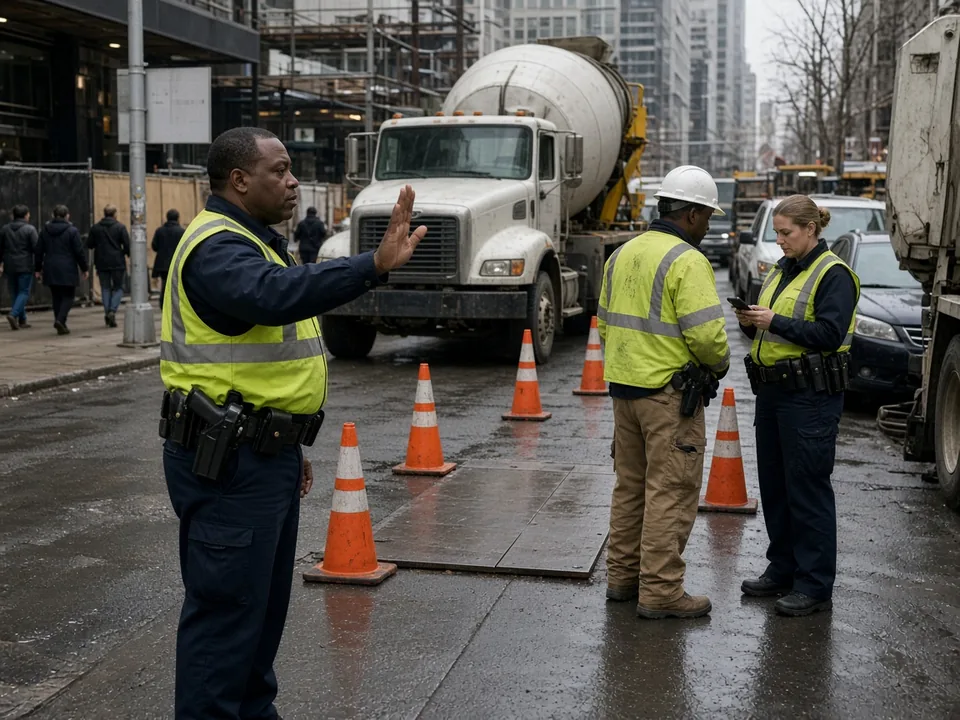
A constable in a high-visibility vest directs traffic at a downtown construction site lane closure while a second officer checks a phone beside the foreman
Paid duty

Client requests that stay one record from ask to invoice

A contractor, a venue, or a film crew needs officers. The request captures the venue, hours, and staffing the administrator needs to approve it, the work is offered to eligible members, and the invoice is drawn from what actually happened — not rebuilt from email at month end.

  • Structured client intake with estimates before approval
  • Assignments, changes, and cancellations on the same thread
  • Billing context that matches the operational record
How paid duty works
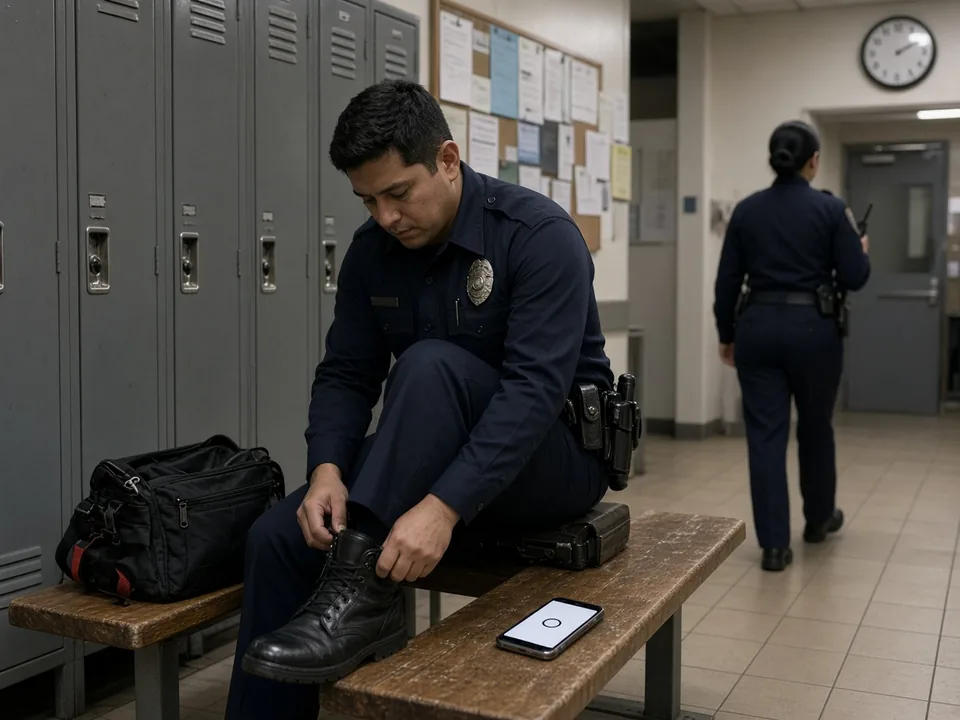
An officer laces his boots on a locker-room bench with his phone showing a shift confirmation beside him, while another officer heads for the door
Callbacks

Fill an urgent shift without the phone tree

When coverage is needed now, the offer goes to the members who are eligible under the agreement, in the order the agreement says, with the context they need to say yes. Who was asked, who declined, and who accepted is recorded as it happens.

  • Offers follow seniority, rotation, and equalization rules
  • Readiness checks before the offer, not after the shift
  • A complete record of every offer and response
How callbacks work
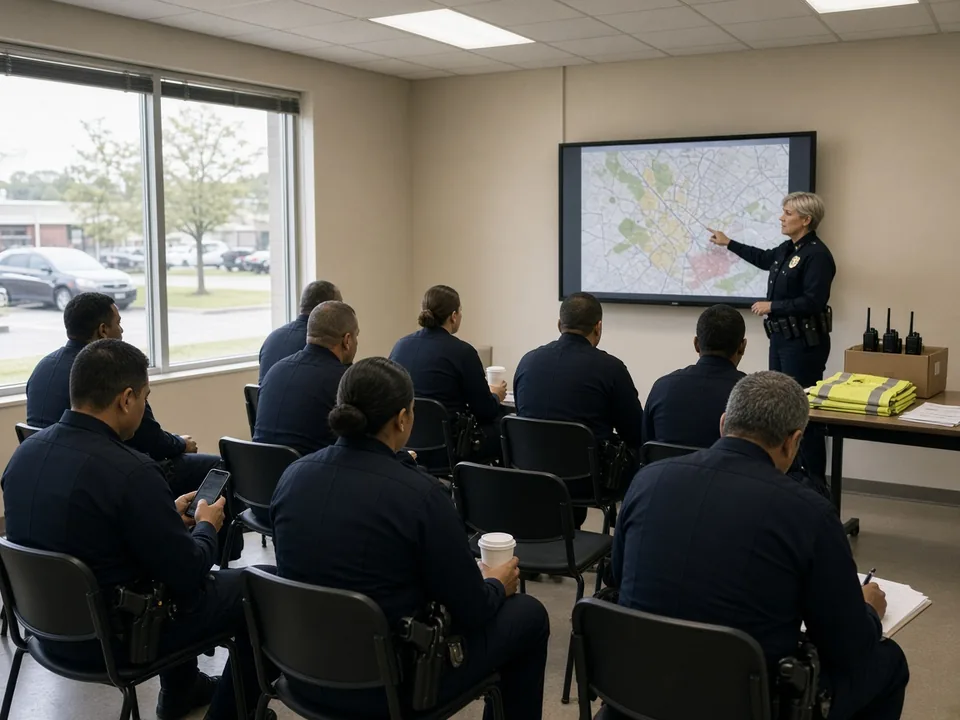
An inspector briefs a room of officers in front of a zoned city map before a large planned event, radios and high-visibility vests stacked on a side table
Planned overtime

Staff the parade, the game, and the long weekend in advance

Large events need dozens of positions filled weeks out, each with its own qualifications. 10-8 posts the positions, fills them by policy, and gives the incident commander a live picture of who is confirmed and where the gaps are.

  • Positions with required credentials attached
  • Live coverage view for supervisors and commanders
  • Overtime spend visible before the event, not after
How planned overtime works
Why a public safety company

A scheduling tool does not know what the collective agreement says.

Generic scheduling software fills slots. Police staffing has to fill them fairly, within policy, with people who are qualified and rested — and then prove it. 10-8 is built for that.

Fairness

Offer work the way the agreement says

Seniority, rotation, and equalization rules are configured once and applied to every offer, so the member who should be asked first is asked first — and the record shows it.

Readiness

Qualified and rested before the offer goes out

Required credentials, hours already worked, and rest rules are checked before a member is offered a shift, not discovered after they have been sent.

Clients

Paid-duty billing that matches what happened

Rates, minimum hours, administration fees, and cancellation terms are applied from the operational record, so the invoice does not need to be reconstructed.

Audit

Answer the grievance from the log, not from memory

Every offer, decline, assignment, and change is recorded with who did it and when. When a question comes, there is one place to look.

Capabilities

What 10-8 carries today

Requests

Client intake that becomes the record

Service requests capture the venue, timing, and staffing administrators need to act — and stay attached through staffing, deployment, and close.

Staffing

Paid duties, callbacks, and overtime

Fill all three kinds of work from one opportunity surface instead of rebuilding each ask in a different channel.

Policy

Fairness and rules in the workflow

Policy-aware offers apply seniority, rotation, and eligibility the way the agency and its association expect.

Field

Mobile-ready member experience

Officers see and accept opportunities from a phone, with the location, contact, and briefing details attached.

Finance

Client service through billing context

Estimates, invoices, and status stay connected to the operational record from request to payment.

Insight

Reporting and audit trail

Leaders and administrators see coverage, spend, and fairness without reconstructing it later.

See it working

One paid duty, end to end, in twenty minutes.

We take a real request from intake to invoice: the client submits it, an administrator approves it, eligible members are offered it in policy order, a supervisor sees it filled, and finance sees the bill. Bring one of your own requests if you like.

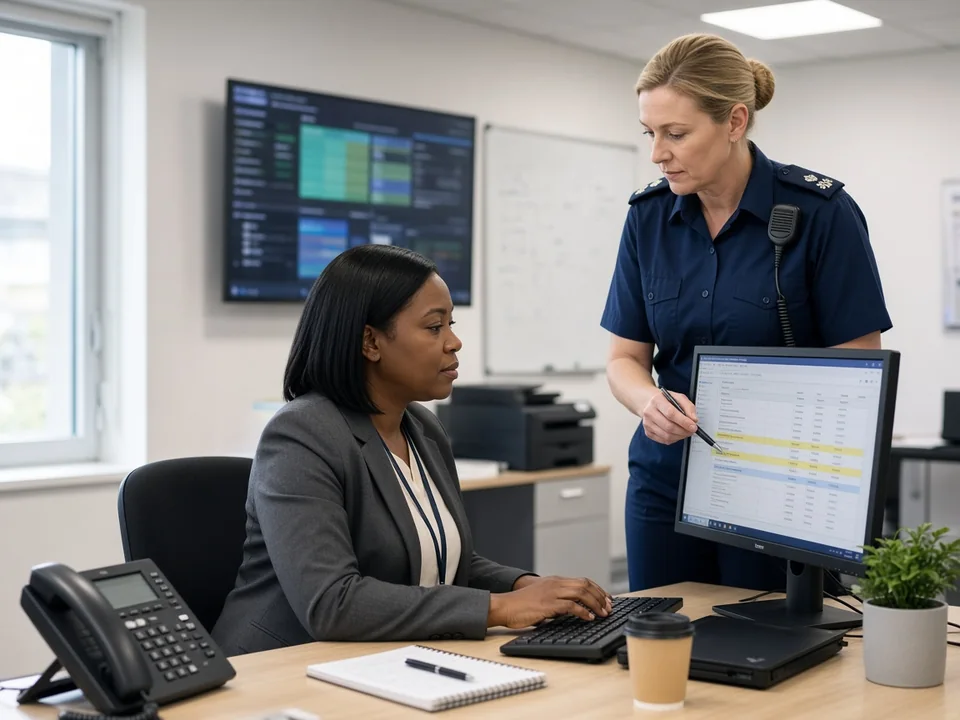
A uniformed staff sergeant points at a staffing roster on screen while a civilian HR administrator works alongside her
10-8 offers work to the members HRIS says are hired, qualified, and eligible.
Built by the same company

Connected to 1 Bridge Tec HRIS

A staffing system is only as good as what it knows about the people it staffs. 10-8 reads the same employee record that 1 Bridge Tec HRIS maintains — position, rank, credentials, work rules — so eligibility is never a second spreadsheet.

01

One identity

A member hired in HRIS exists in 10-8 the same day, with the right role and permissions.

02

Credentials that gate work

An expired qualification recorded in HRIS removes a member from the offers that need it.

03

Work rules from the record

Rank, unit, seniority, and agreement rules come from HRIS and drive the order of every offer.

04

One audit trail

Hiring, onboarding, and staffing actions sit in the same log, so a question about a member has one answer.

Common questions

Questions agencies ask about One Bridge 10-8

Is 10-8 the same as PatrolCall?
10-8 is the evolution of PatrolCall, rebuilt on the One Bridge Tec platform. It carries forward what PatrolCall did for paid duty and adds callbacks, planned overtime, readiness checks, billing context, and the shared employee record with 1 Bridge Tec HRIS.
How does 10-8 decide who is offered work first?
By the rules you configure: seniority, rotation, equalization, rank, unit, and required credentials. Those rules are applied to every offer automatically, and the sequence of offers and responses is recorded so the decision can be shown, not argued.
Does it replace our master schedule?
No. 10-8 staffs the work that sits outside the regular roster — paid duty, callbacks, and overtime. It can take on-duty hours into account when checking readiness, so a member is not offered a shift they should not work.
Can clients see and pay for their paid duties?
Clients submit requests, track status, and receive estimates and invoices drawn from the operational record. How payment is collected is configured with each agency's finance team during implementation.
Do members need a separate app?
Members see and accept opportunities from a mobile-ready experience with the venue, hours, contact, and briefing details attached. No group text, no phone tree.
How does it relate to 1 Bridge Tec HRIS?
They are sibling products from the same company. HRIS is the system of record for people — position, credentials, work rules. 10-8 is the system of record for paid duty, callback, and overtime operations. 10-8 reads the HRIS record to decide who is eligible.


Fill the shift. Follow the rules. Prove it.

See paid duty, callbacks, and overtime staffed from one record with the team that builds it.