Urgency
Phone trees and group texts
When coverage is needed now, informal channels lose auditability and fairness.


Callbacks and overtime move fast. The system should move with them — keeping policy, readiness, and status on one record.
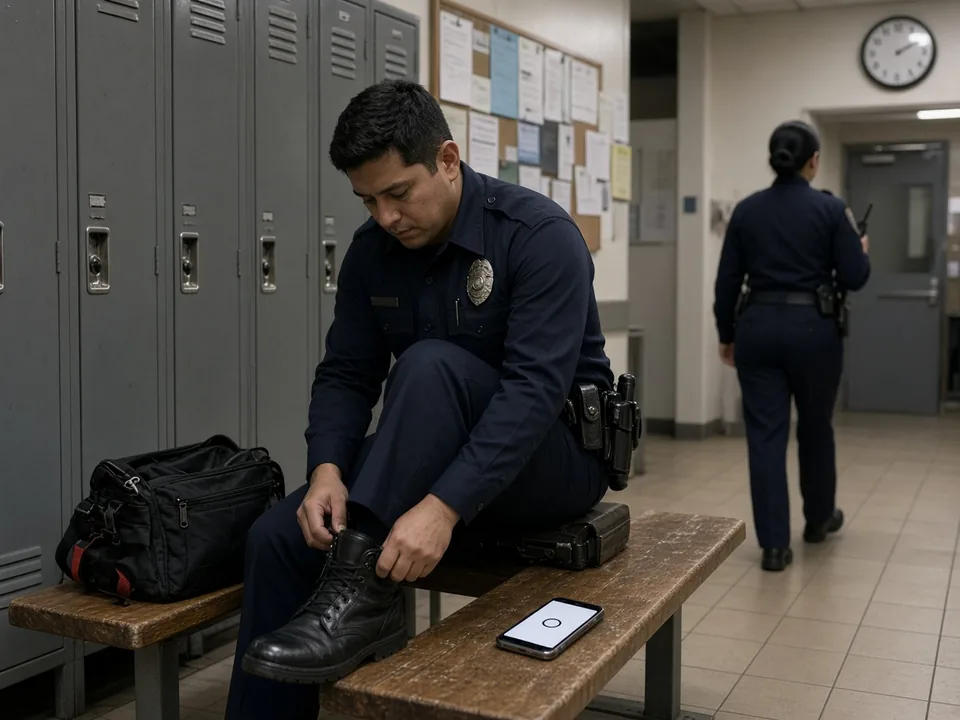
When coverage is needed now, informal channels lose auditability and fairness.
Who should be offered work first is hard to enforce when the process lives in inboxes.
Coverage gaps and overtime spend are reconstructed after the fact.
Officers see available callbacks and overtime with the context they need.
Offer and fill work according to agency rules — not whoever happens to answer first.
Staffing decisions can consider readiness before someone is sent.
See what is filled, what is open, and what needs attention.
See how One Bridge connects requests, people, and operations into one experience.