Boundary
Protected data never reaches a third-party AI API
Inference happens on agency-controlled GPUs. There is no external model endpoint in the path for protected records, and the inference VLAN has no default route out.


Open-weight frontier models on hardware physically installed at the agency — from a single Mac Studio to NVIDIA Blackwell racks. Grounded in the sources you approve. Nothing hosted by anyone else, and no protected data sent to third-party AI services.
Police services hold occurrence data, personnel records, and community contacts that should not leave their control. Most AI products require exactly that. Private AI runs the models where the data already lives — on an inference network with no path to the public internet.
Inference happens on agency-controlled GPUs. There is no external model endpoint in the path for protected records, and the inference VLAN has no default route out.
Models are grounded only in sources the agency approves, with access scoped by role like every other platform service.
No usage-based API pricing, no vendor model changes overnight, no outage in someone else's region. Model files are pinned by hash on the purchase order.
Ask a question inside 10-8 or HRIS and get the relevant section from your own procedures, with the source attached. Nothing leaves the building to produce it, and every query is logged.
Licensed events fall under Paid Duty Procedure 4.12 — Licensed Premises. A minimum of two officers is required when expected attendance exceeds 250, and the client must confirm licence details on the request before approval. The supervisor of record signs off on staffing before the opportunity is posted to members.
Every tier is hardware One Bridge Tec installs inside your building. One Bridge Tec does not host your AI, and neither does anyone else: your premises, your data, your keys, your audit log. The tiers differ only in what the AI is connected to and how much of the agency it serves.
One Mac Studio on site for a smaller service — about 250 officers or fewer — running 1 Bridge Tec products only.
The same assistance as Tier 1 on NVIDIA hardware, for a larger service or more people working at once — HRIS and 10-8 only.
Everything in Tier 2, plus the systems you already run in house, connected on the same private network.
Everything in Tier 3 for a regional, state, or provincial service, several agencies, or the largest open-weight models — in a data hall the agency owns.
Figures are 2026 list and street bands in US dollars for installed hardware, before tax, installation labour, and training. They are planning numbers, not a vendor quote; GPU allocation and exchange rates move. Local taxes, exchange rates, and installation labour are added at scoping. Three-year all-in estimates including power and support: Studio Assist about $45,000; Platform Assist about $80,000; Agency Connect about $420,000; Sovereign Scale about $900,000 per node, excluding the agency's own facility costs. Tiers can be stepped up in place: the boundary, models, and logs carry forward.
Those are capable models. The difference is where your information goes and who sets the rules.
We look at what you want the AI to do first — hiring, scheduling, event coverage, or connecting systems you already run — plus your users and what your building can power. You leave with a tier, a price band, and a clear next step. No procurement commitment.
Each deployment is configured to order and installed by One Bridge Tec. Hardware is ordered per customer from certified OEM partners, staged, and commissioned on an isolated inference network before the first query.
Agencies can purchase the hardware outright or lease it so the cost model matches capital or operating budgets. One Bridge Tec does not host the hardware and does not offer a data-centre option: every tier is installed at premises the agency owns and controls.
Private AI is not a public chatbot. It assists authorized agency staff inside the One Bridge Tec products they already use.

Where does the data go? Nowhere. Private AI gives leadership a defensible answer on residency, audit, and cost — with a published price band instead of a vendor mystery.
How leaders use One Bridge Tec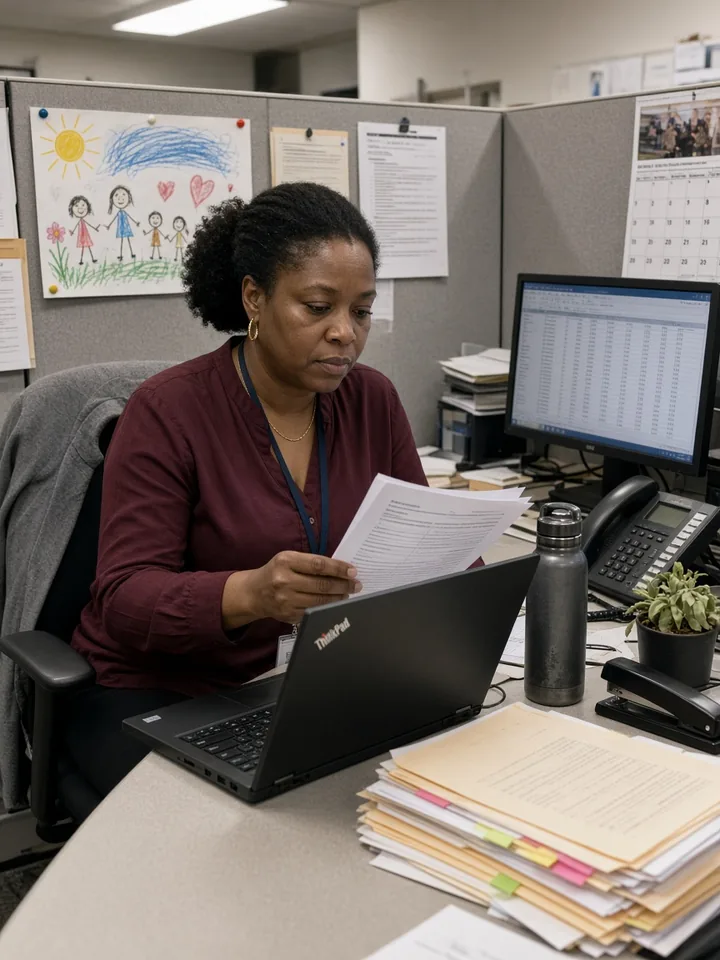
Job postings, panel summaries, policy answers, and disclosure prep drafted from agency sources with citations you can check — never from a public model that saw your files.
See 1 Bridge Tec HRIS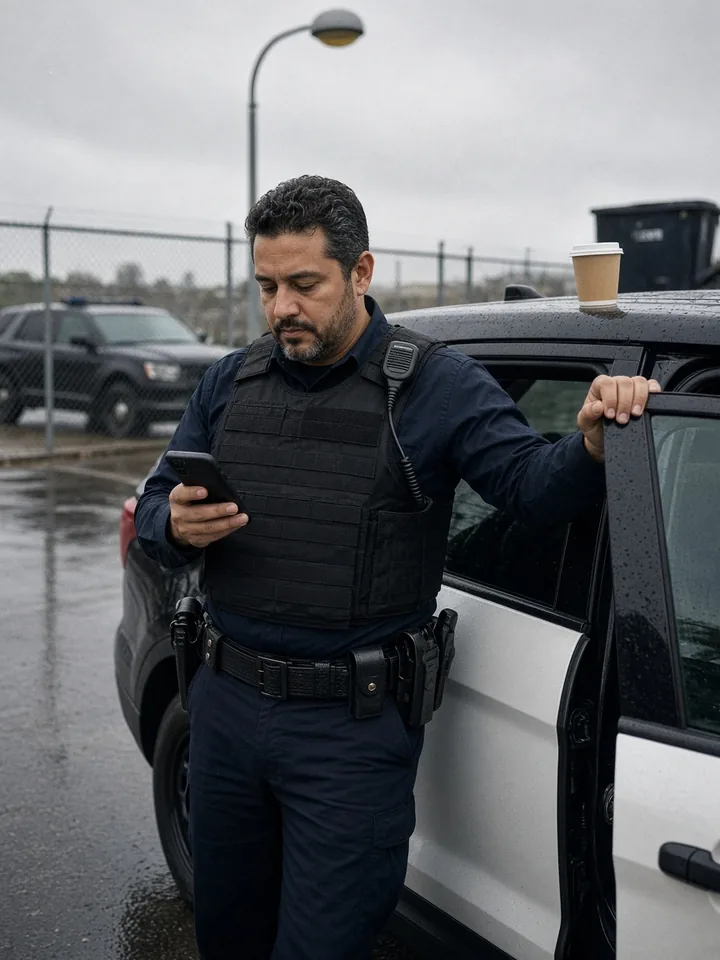
On a phone or in 10-8, members get the relevant section with its source. Supervisors see readiness conflicts flagged before a paid duty or callback is offered.
Explore One Bridge 10-8Closed models from OpenAI, Anthropic, and Google cannot be run privately; those vendors do not ship weights. Private AI runs the latest open-weight frontier models locally. One Bridge Tec adapts them for public safety language, procedure, and document types, then grounds every answer in the agency's approved sources so responses cite what they draw on.
DeepSeek, Qwen, GLM, Kimi, and MiniMax-class models are downloaded once, verified by hash, and run entirely on the agency's GPUs.
Prompting, evaluation sets, and retrieval tuned for policing procedure, HR, and community-service contexts.
Policies, procedures, HRIS records, and 10-8 operational data — each collection permissioned by role.
Every response links back to the documents or records it used so a person can verify it.
Optional private fine-tuning on de-identified agency material, performed on the agency's own GPUs, only with a written legal basis.
Agency-defined test sets run against every model or prompt update before it is promoted.
Summarize open paid duties, flag readiness conflicts, and draft client updates from the operational record.
Learn moreDraft job postings, summarize candidate files for panels, and answer policy questions from the agency's own documents.
Learn moreMembers ask how a procedure applies and receive the relevant passage with its source, not a paraphrase.
Assist staff handling community contacts while the anonymity boundary of the community platform is preserved.
Keeping data on site removes the largest exposure. The rest of the platform's controls still apply — and people stay in charge of every decision.
The system drafts, summarizes, and retrieves. People decide. It does not make staffing, hiring, or enforcement decisions.
A member cannot retrieve through the AI what they could not open directly. Personal information is redacted before a prompt reaches the GPU where policy requires.
User, time, model hash, prompt, retrieved documents, and response are recorded, with retention set by the agency.
Encrypted drives, change control on every weight file, signed updates applied by One Bridge Tec, and hardware behind badge access and cameras.
Confirm what the AI should do first, which systems it may see, who uses it, and what the building can power. Choose a tier and purchase or lease. Everything is installed on your premises.
Hardware is quoted through certified OEM partners, ordered for the agency, and configured by One Bridge Tec before delivery.
Installed with its isolated inference network, joined to the agency directory, and connected to approved sources.
Agency test sets run; roles, audit, and the pinned model hash are confirmed; assistance is enabled by module.
Scope a private AI deployment with the team that builds the platform it runs on.