Intake
The inbox is the system
Client requests, candidate questions, and shift swaps arrive as email. Someone reads each one, re-keys it, and answers the follow-up nobody should have had to ask.

In a police service, hiring, the employee record, paid duty, overtime, billing, and the public's calls for help are one chain of work — run today across a vendor per problem, an inbox for intake, and a coordinator holding it together. One Bridge Tec builds the whole chain, for police, on one record, with AI that stays inside the building.
Client requests, candidate questions, and shift swaps arrive as email. Someone reads each one, re-keys it, and answers the follow-up nobody should have had to ask.
Credentials in one, seniority in another, clients in a third. Each maintained by hand, each slightly out of date, each the reason a decision was wrong.
An HR suite adapted for police, a scheduling tool with a paid-duty add-on, a tip line from a third provider. None of them see each other's data.
Leaders find out about the overtime overrun, the coverage gap, or the fairness complaint from a report, a letter, or a Monday meeting, after it mattered.
Four decisions that make One Bridge Tec different from the category it is replacing, and what each one means for the people doing the work.
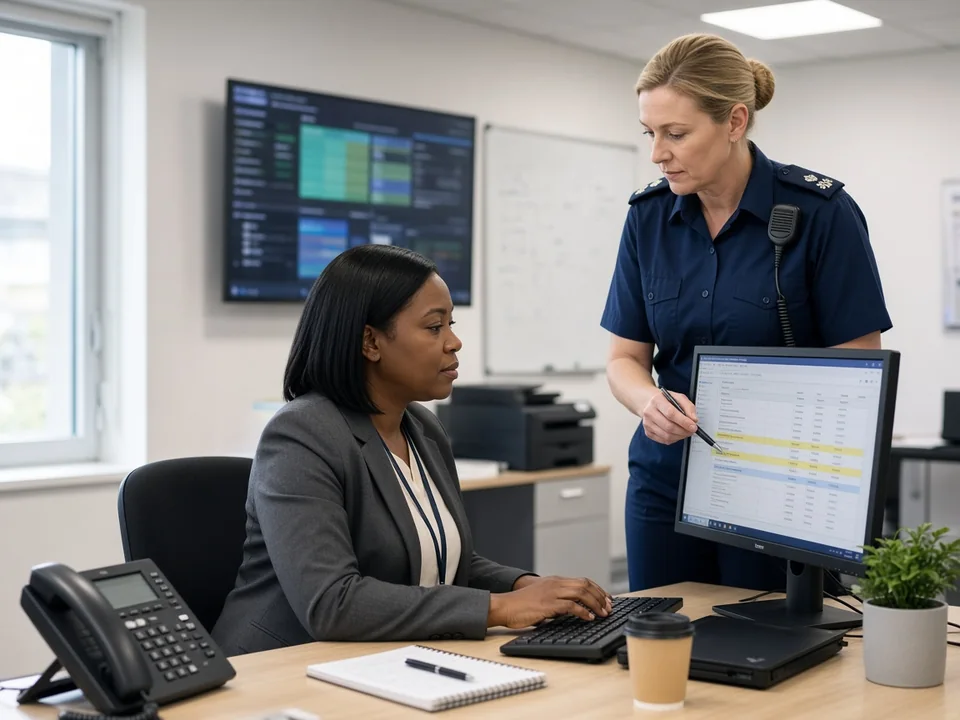
Hiring, onboarding, the employee record, paid duty, callbacks, overtime, billing, and community reporting are one connected chain of work in a police service. Most agencies run it across a vendor per problem, stitched together by coordinators and spreadsheets. One Bridge Tec builds all of it, on one foundation, so the credential entered at onboarding is the credential that decides who is offered Saturday's duty, and the hours worked are the hours payroll sees.
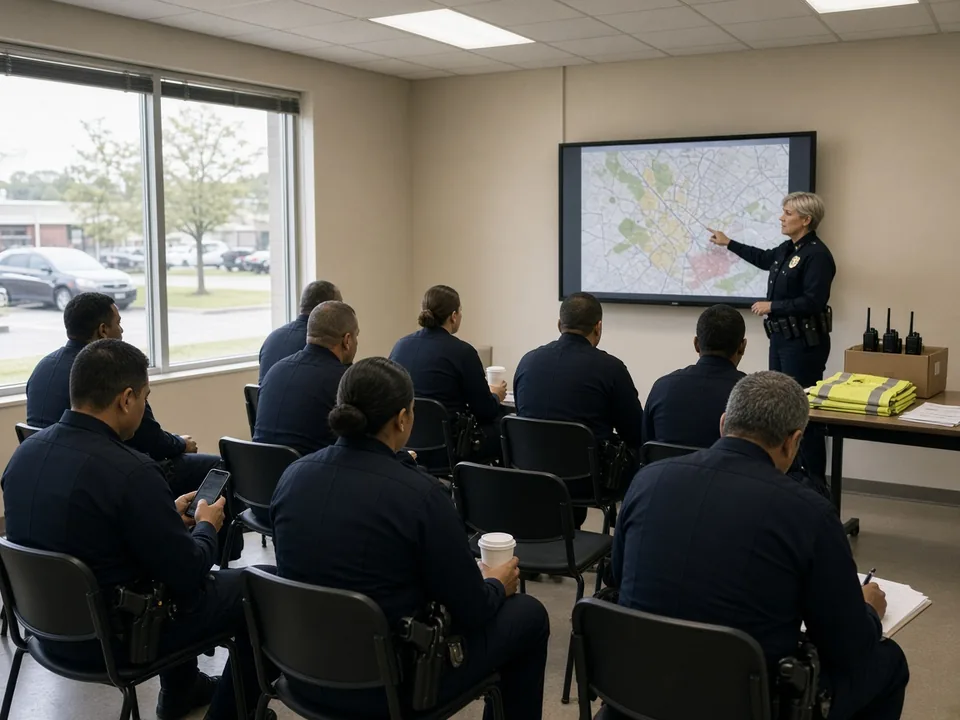
Seniority and rotation offers, paid duty billed to a client, association agreements, sworn and civilian pipelines, firearms and first-aid recertification, rest rules, a grievance that turns on who was offered what and when. These are not customizations bolted onto general HR or scheduling software. They are the product, designed with the people who do the work.
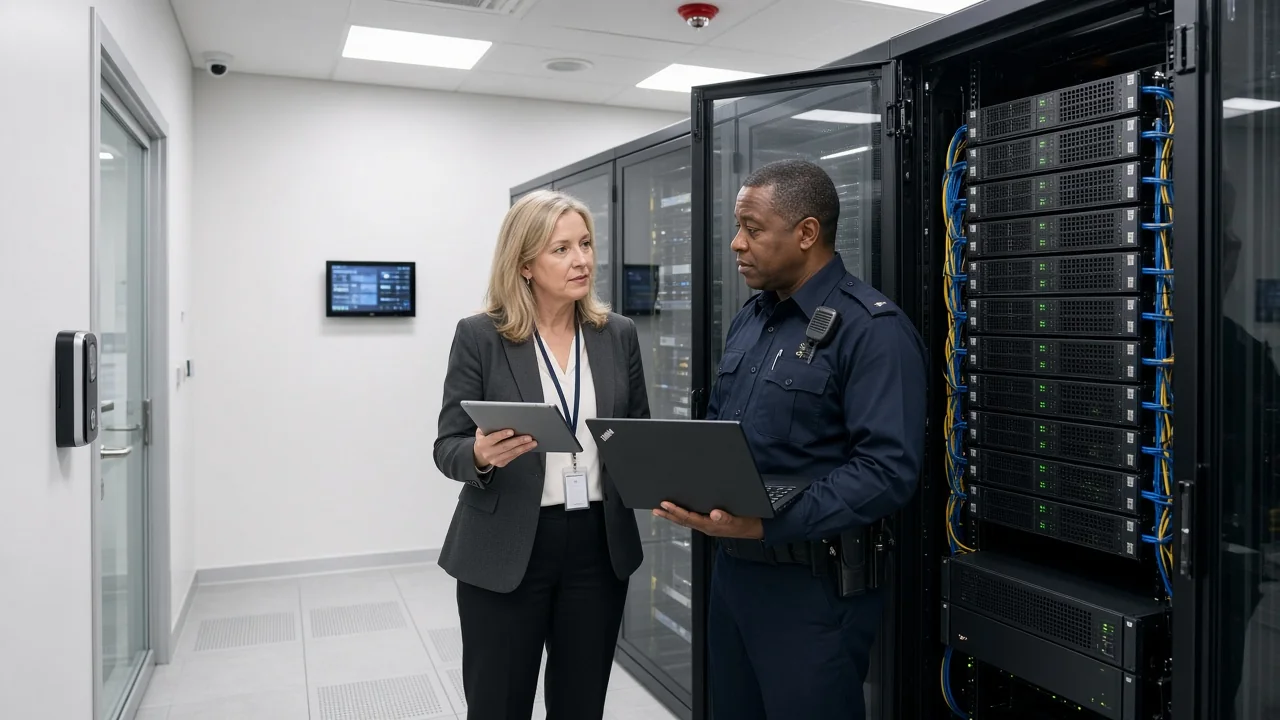
Every vendor is adding AI. Almost all of it sends agency text to a cloud service the agency does not control. Private AI runs open-weight models on hardware installed at the agency, grounded in the sources you approve, so a police service gets résumé screening, coverage answers, and policy citations without a personnel file ever leaving the building.
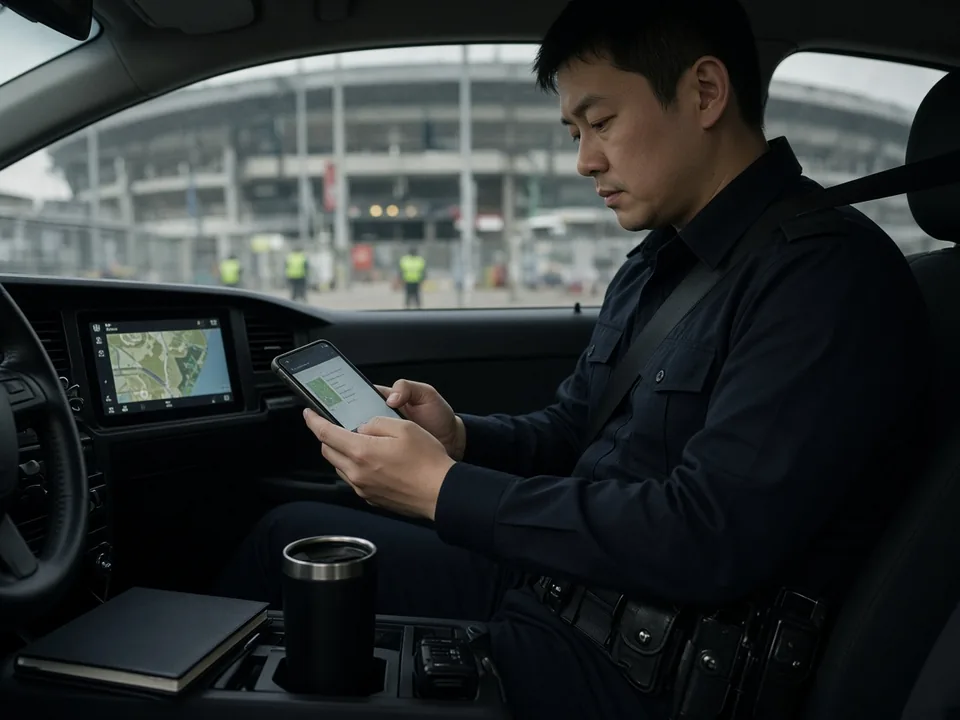
Government software has trained everyone to expect a login they dread. We are building the opposite: a member takes a shift from the car in two taps, a client sees their request confirmed without a phone call, a coordinator watches the list fill instead of working the phone, and a chief gets an answer from the record at the command table. Adoption is the whole point, and it is designed in.
Three phrases we hold every product decision against. Each one has a specific meaning in the software.
Hiring pipelines that keep good candidates, an employee record that knows who is certified for what, and offers that follow seniority, rotation, and rest rules every time.
Paid duty, callbacks, and overtime as one opportunity surface. Clients request and track. Members see the briefing. Finance invoices what was worked.
A live picture of coverage, spend, and eligibility, every action logged with who and when, and data that stays in the jurisdiction the agency chooses.
Staffs the shift but does not know who is certified, cannot bill the client from the record, and hands the coordinator the reconciliation. One Bridge 10-8 reads eligibility from the HRIS record and draws the invoice from the assignments.
Built for offices, then configured toward sworn pipelines, recertification, and collective agreements, with the gaps filled by consultants. 1 Bridge Tec HRIS starts from the police service and its people.
Convenient until the privacy officer asks where the personnel file went. Private AI runs on hardware in your building, grounded in your sources, with no protected data leaving.
In one session we follow a single request from a client's form to the offer on a member's phone to the invoice, then show how the same record hired that member and tracks their recertification. If the chain breaks anywhere, you will see it, and so will we.
See a request travel from a client's form to a member's phone to the invoice, in twenty minutes.